The Laissez-Faire Experiment. Why Britain Embraced and Then Abandoned Small Government, 1800–1914
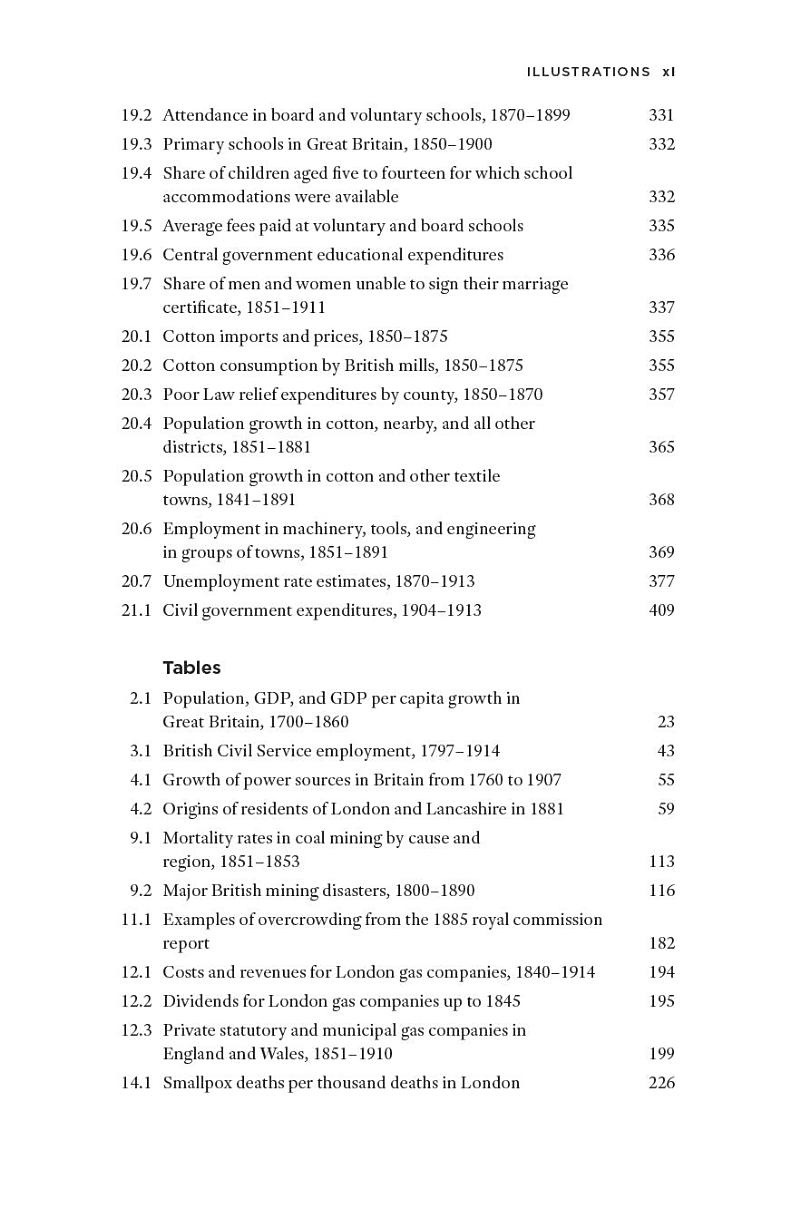
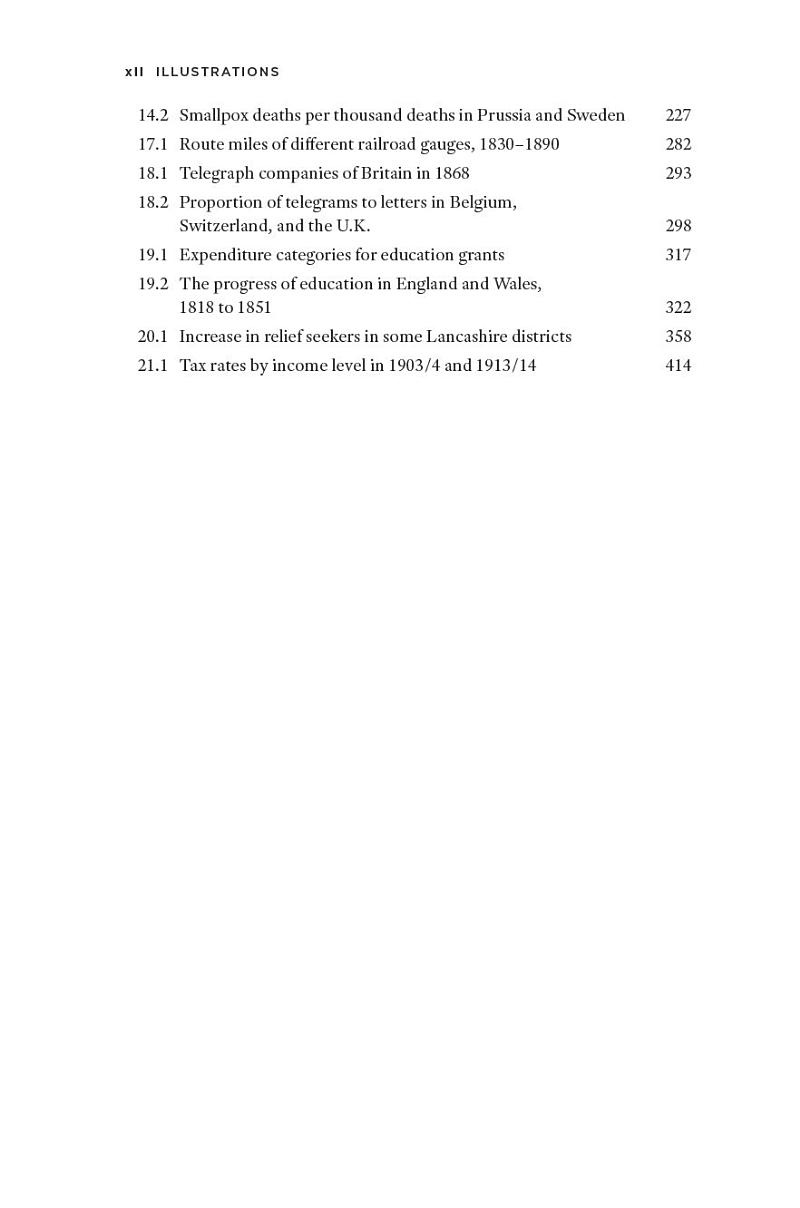
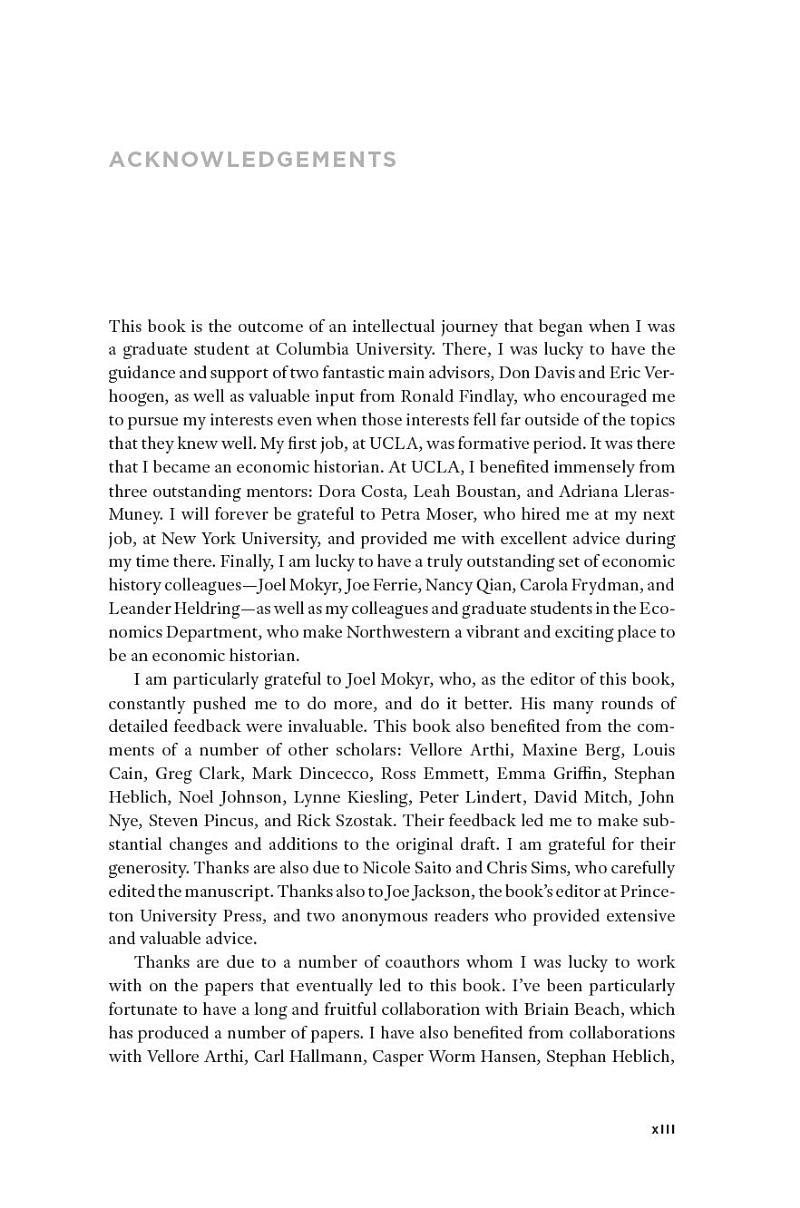
The Laissez-Faire Experiment. Why Britain Embraced and Then Abandoned Small Government, 1800–1914

Деталі
Ціни

Відгуки
The Laissez-Faire Experiment. Why Britain Embraced and Then Abandoned Small Government, 1800–1914
Ще ніхто не оцінив.
Про книжку
Why Britain’s attempt at small government proved unable to cope with the challenges of the modern world
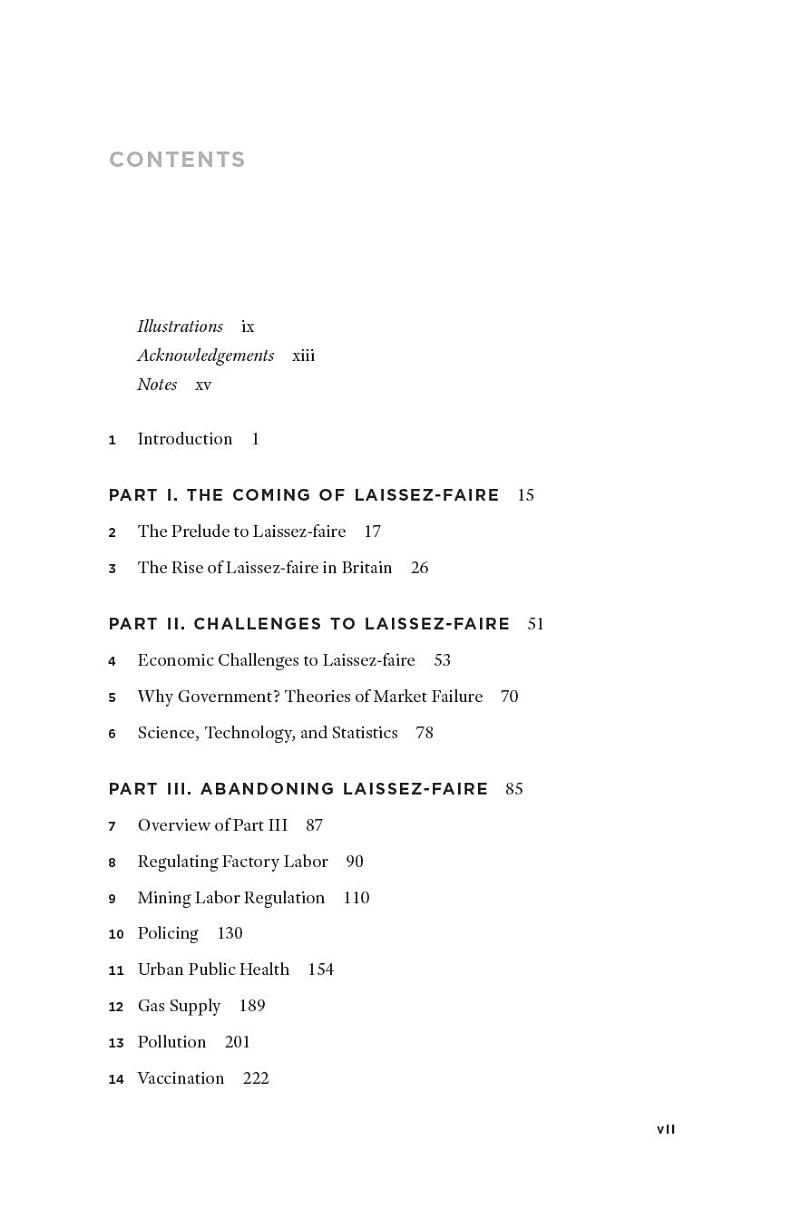
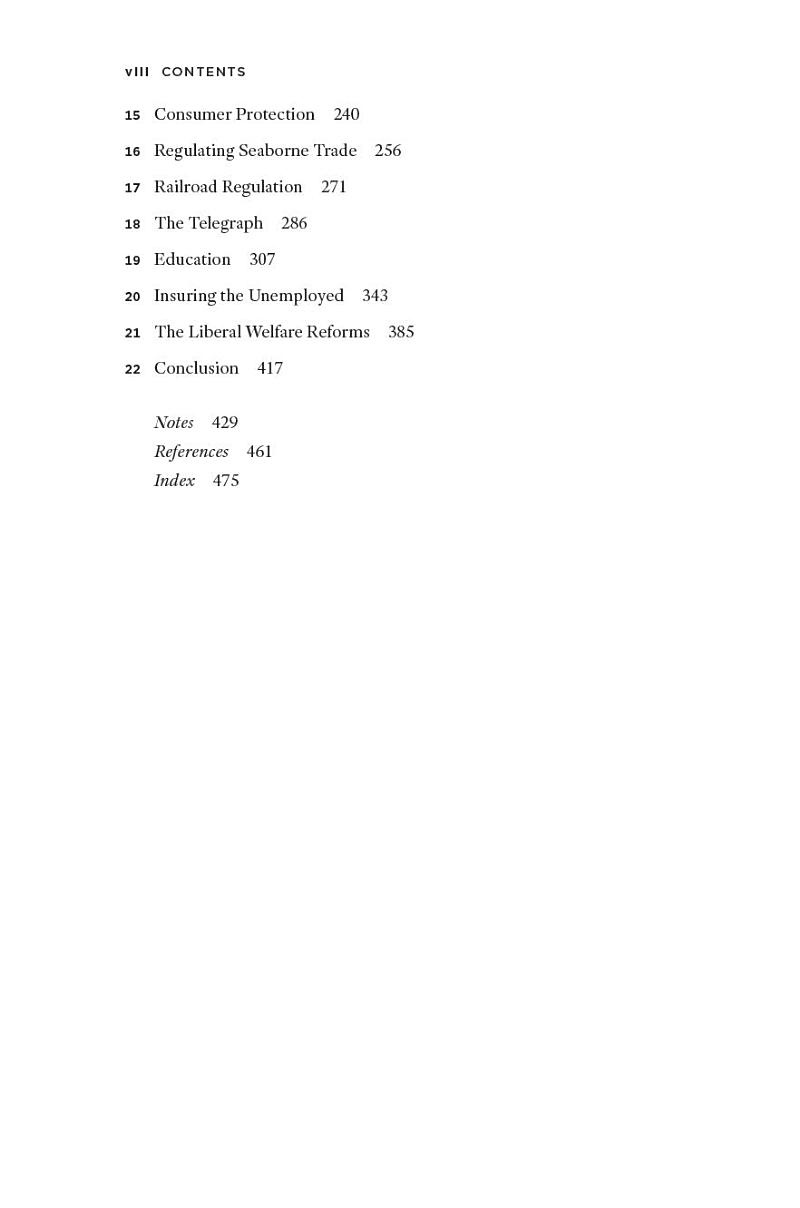
In the nineteenth century, as Britain attained a leading economic and political position in Europe, British policymakers embarked on a bold experiment with small and limited government. By the outbreak of the First World War, however, this laissez-faire philosophy of government had been abandoned and the country had taken its first steps toward becoming a modern welfare state. This book tells the story of Britain’s laissez-faire experiment, examining why it was done, how it functioned, and why it was ultimately rejected in favor of a more interventionist form of governance.
Blending insights from modern economic theory with a wealth of historical evidence, W. Walker Hanlon traces the slow expansion of government intervention across a broad spectrum of government functions in order to understand why and how Britain gave up on laissez-faire. It was not abandoned because Britain’s leaders lost faith in small government as some have suggested, nor did it collapse under the growing influence of working-class political power. Instead, Britain’s move away from small government was a pragmatic and piecemeal response—by policymakers who often deeply believed in laissez-faire—to the economic forces unleashed by the Industrial Revolution.
Деталі
- Видання
- Princeton University Press, 2024, паперова
- Видавництво
- Princeton University Press
- Сторінок
- 504
- Мова
- Англійська
- ISBN
- 9780691213415
Відгуки
Відгуків ще немає.
Ціни 1 пропозиція
Деякі посилання на магазини — партнерські, ми можемо отримати невеликий відсоток від магазину, але це не впливає на порядок пропозицій на сайті.