The Cancel Culture Panic

Деталі
Ціни

Відгуки
The Cancel Culture Panic
Ще ніхто не оцінив.
Про книжку
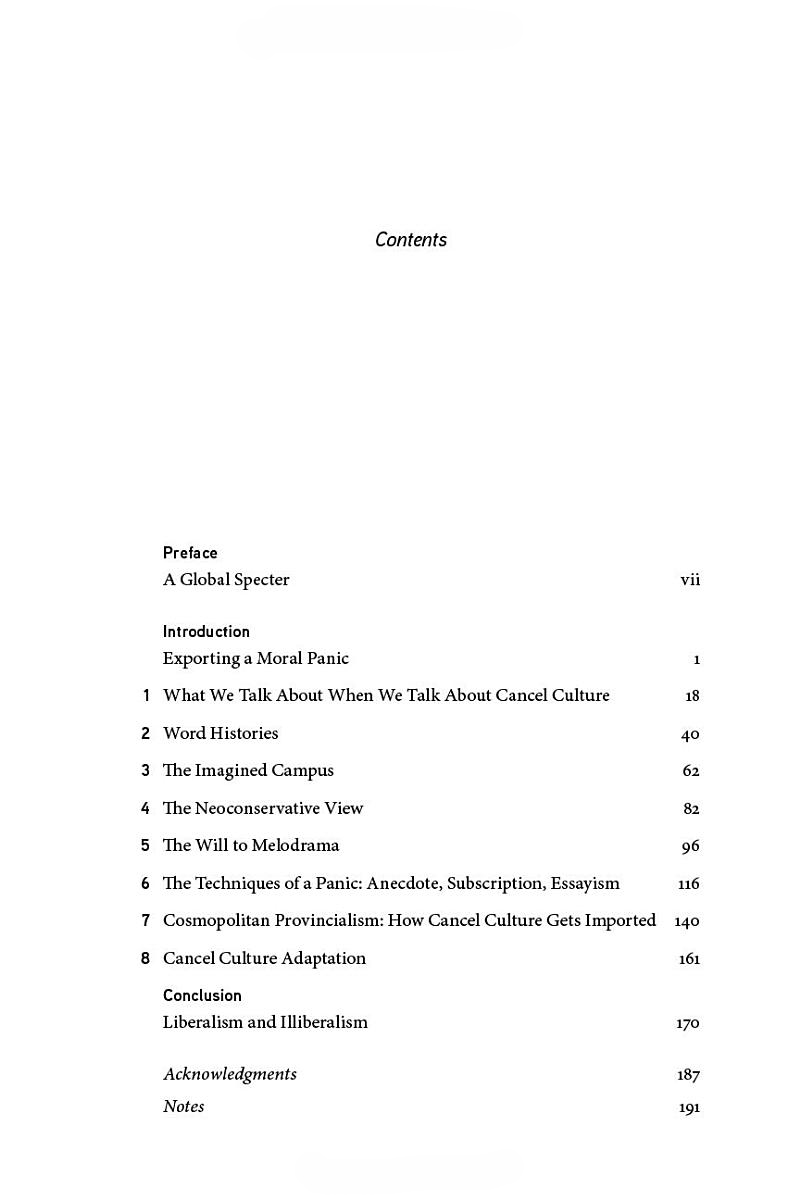
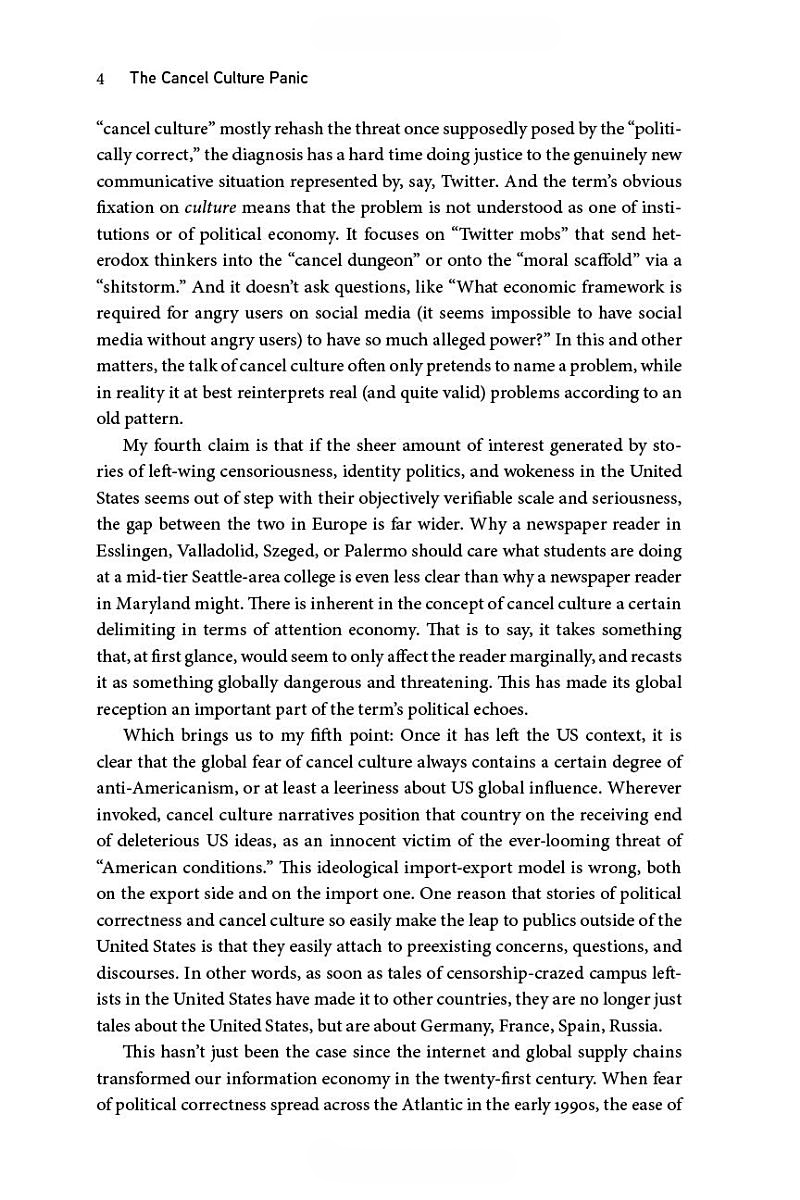
Fear of cancel culture has gripped the world, and it turns out to be an old fear in a new get-up.
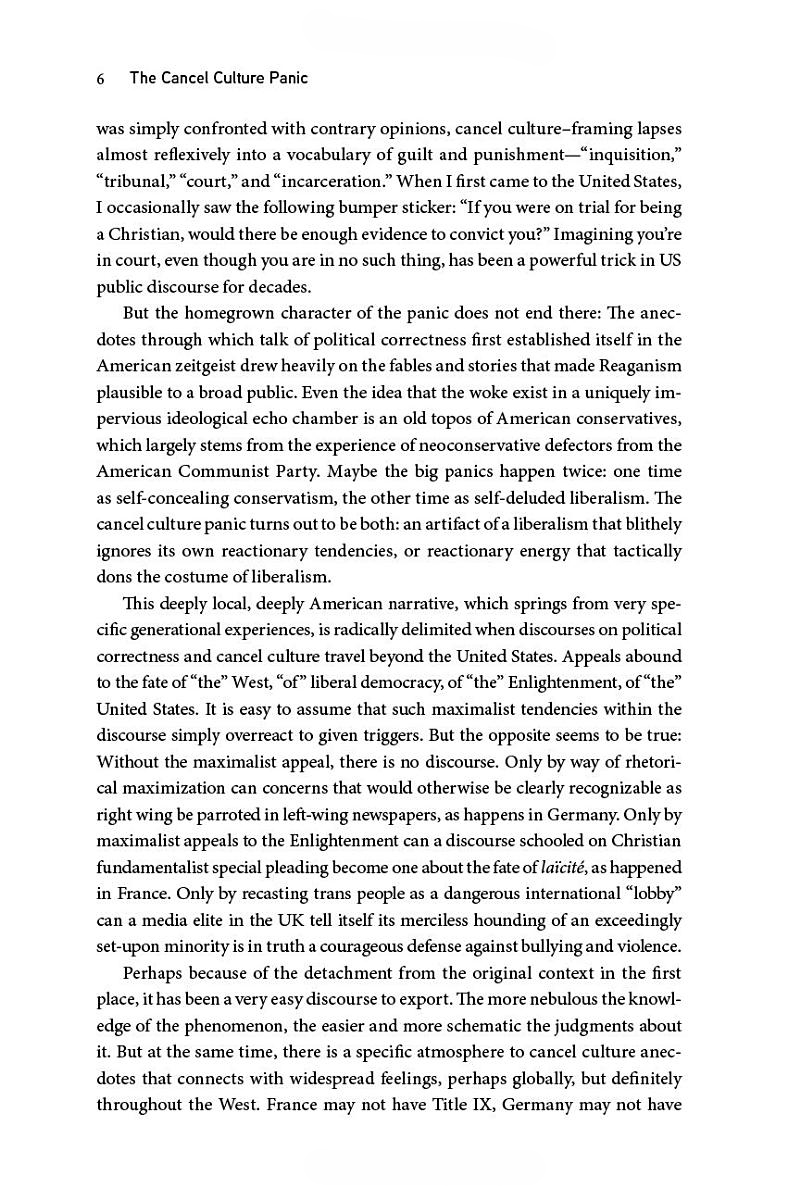
In this incisive new work, Adrian Daub analyzes the global spread of cancel culture discourse as a moral panic, showing that, though its object is fuzzy, talk of cancel culture in global media has become a preoccupation of an embattled liberalism. There are plenty of conservative voices who gin up worries about cancel culture to advance their agendas. But more remarkable perhaps is that it is centrist, even left-leaning, media that have taken up the rallying cry and really defined the outlines of what cancel culture is supposed to be.
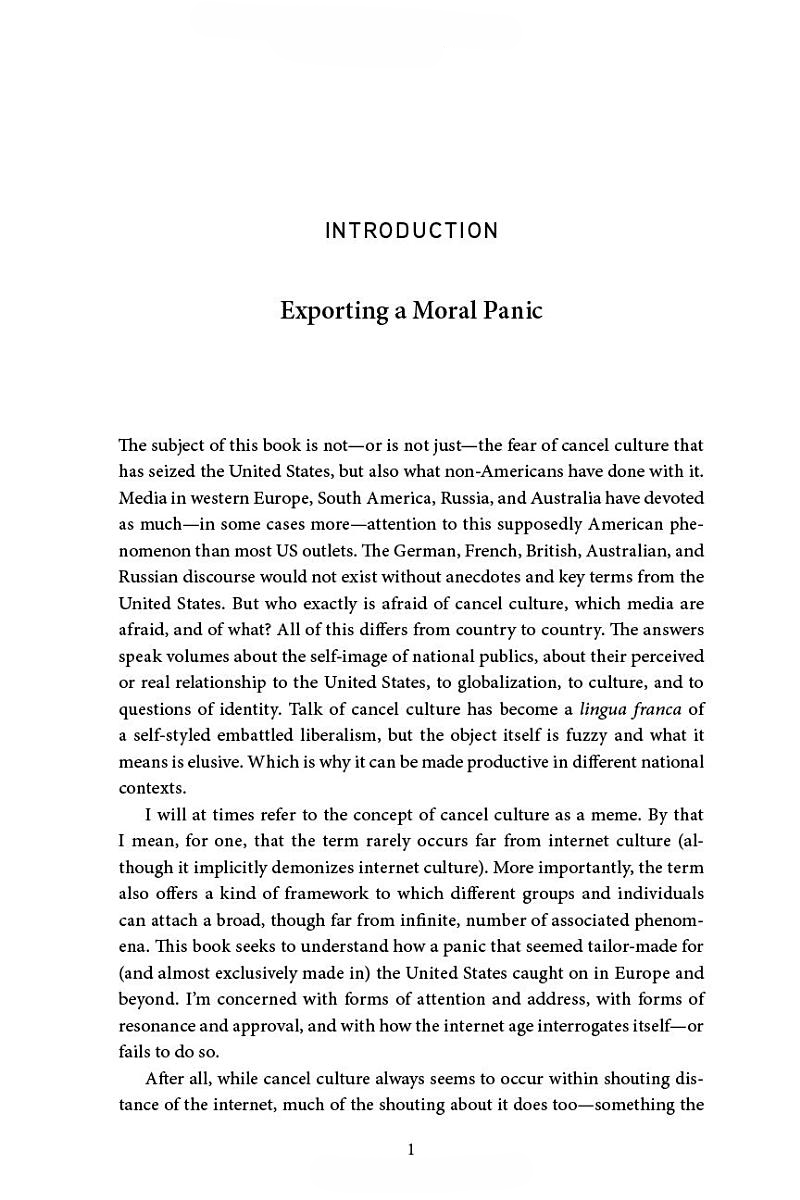
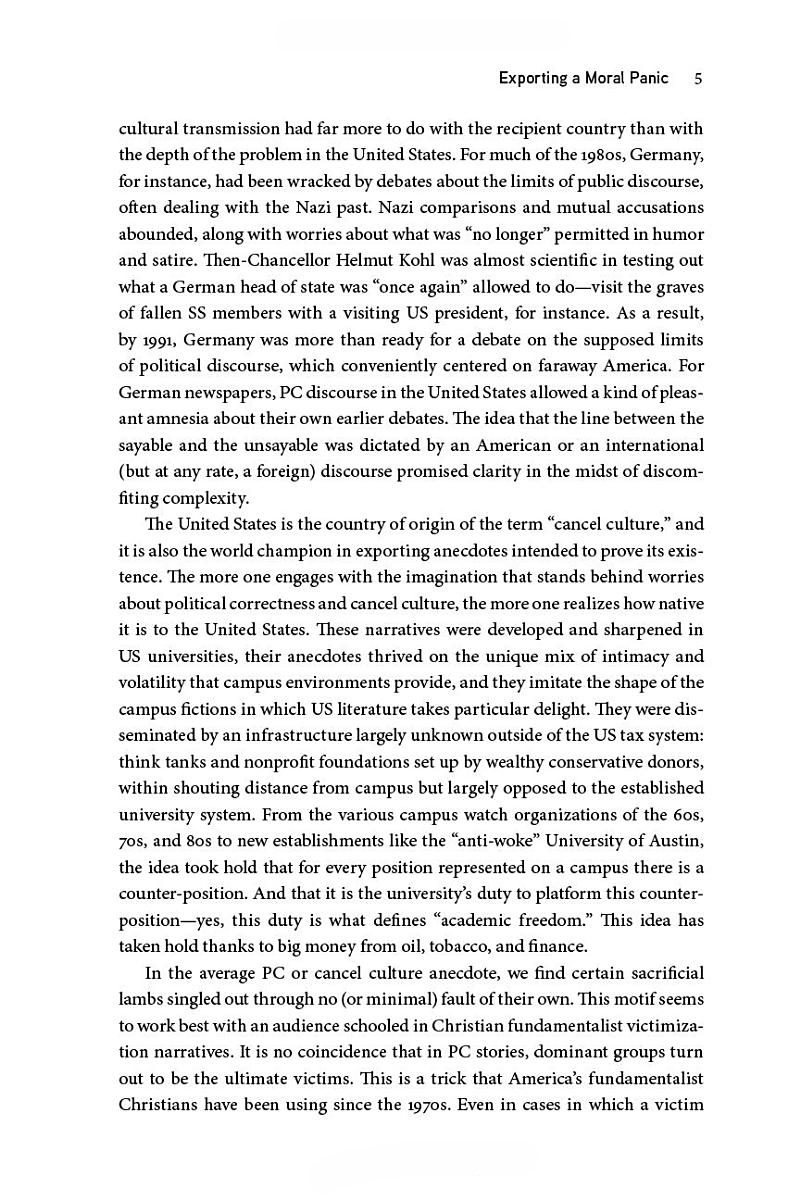
Media in Western Europe, South America and Australia have devoted as much—in some cases more—attention to this supposedly American phenomenon than most US outlets. From French crusades against "le wokisme" via British fables of the "loony left" to a German obsession with campus anecdotes to a global revolt against "gender studies": countries the world over have developed culture war narratives in conflict with the US, and, above all, its universities—narratives that they themselves borrowed from the US.
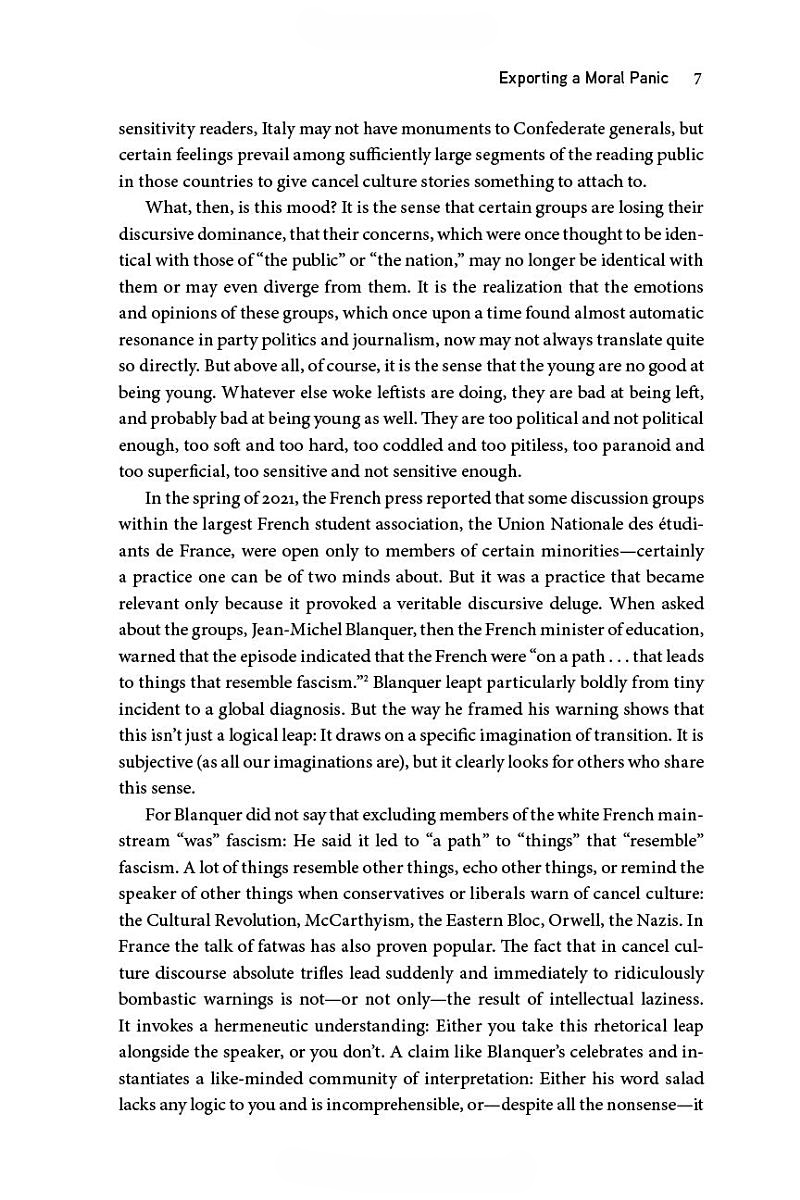
Who exactly is afraid of cancel culture? To trace how various global publics have been so quickly convinced that cancel culture exists and that it poses an existential problem, Daub compares the cancel culture panic to moral panics past, investigating the powerful hold that the idea of "being cancelled" has on readers around the world.
A book for anyone wondering how institutions of higher learning in the US have become objects of immense interest and political lightning rods; not just for audiences and voters in the US, but worldwide.
Деталі
- Видання
- Stanford University Press, 2024, паперова
- Видавництво
- Stanford University Press
- Сторінок
- 224
- Мова
- Англійська
- ISBN
- 9781503640849
Відгуки
Відгуків ще немає.
Ціни 1 пропозиція
Деякі посилання на магазини — партнерські, ми можемо отримати невеликий відсоток від магазину, але це не впливає на порядок пропозицій на сайті.