A History of the Guards Armoured Formations 1941-1945

Деталі
Ціни

Відгуки
A History of the Guards Armoured Formations 1941-1945
Ще ніхто не оцінив.
Про книжку
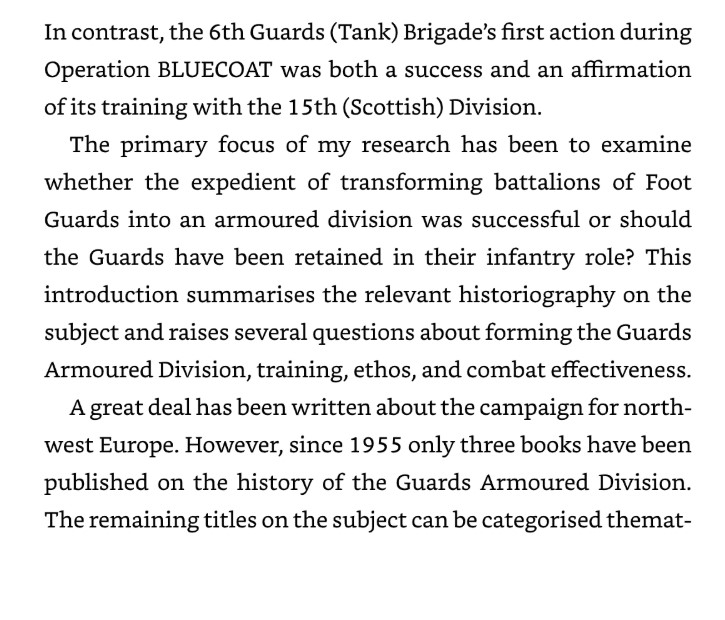
Although the Guards Armoured Division and its sister formation the 6th Guards (Tank) Brigade shared a common origin, they went on to forge quite different operational records. One of the units would be tarnished by its failures while the other was applauded for its successes. A month after VE Day, the two Guards’ armoured formations would be reunited one last time before being officially disbanded. During the intervening years, the Guards faced criticism, public ridicule, the threat of disbandment, and many other challenges. Nevertheless, these armoured Guardsmen would prevail on the battlefield.
In response to the threat of a German invasion of the British Isles, the Guards Armoured Division formed in the spring of 1941. But why convert battalions of Foot Guards, considered by many to be first-class infantry, into an armoured formation? Certainly, many people were sceptical that 'spit-and-polish' Guardsmen could ever adapt to a new armoured role.
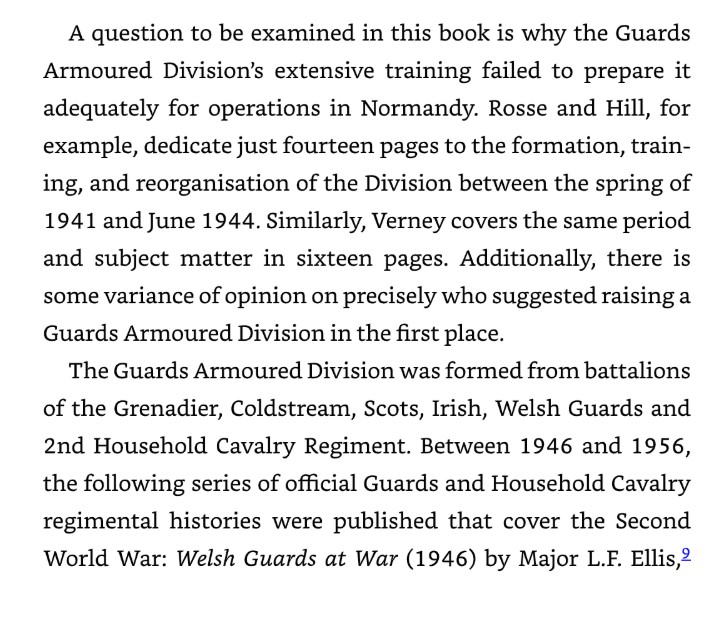
As the threat of invasion receded, the Guards Armoured Division and 6th Guards (Tank) Brigade embarked on years of training while the war raged elsewhere. This book examines the decision to form the Guards Armoured Division and then keep it at home for an extended period. Once deployed to Normandy, the fighting quickly revealed shortcomings in the Division's training, equipment, and operational procedures. In contrast, when the Churchill tanks of the 6th Guards (Tank) Brigade went into action south of Caumont it was to prove an affirmation of everything they had learnt in training. Over the next ten months, the Guards’ armoured formations would celebrate victories and lament failures while fighting their way across northwest Europe.
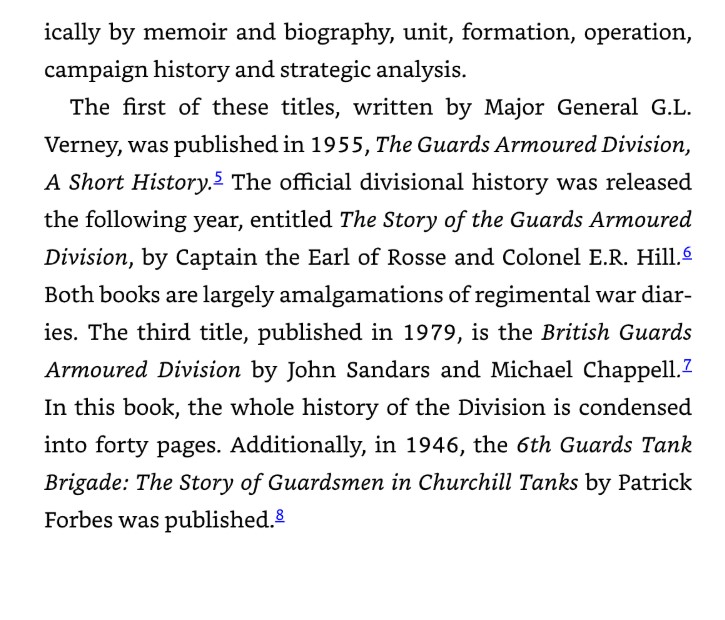
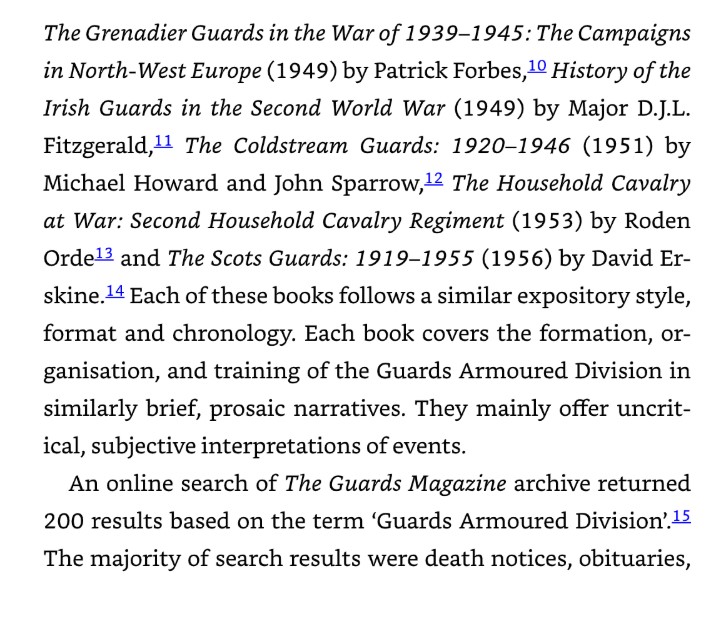
This book examines how the decision to raise a Guards Armoured Division came about, and why the idea met with such strong opposition. It also takes an in-depth look at the training, equipment, and culture of the Brigade of Guards, and how that influenced the two formations’ preparedness for war. Once deployed overseas, the book explores how the Guards were able to adapt to changing conditions on the battlefield and adopt new operational and tactical procedures.
Finally, the book reveals why the Guards’ armoured formations were hurriedly disbanded in June 1945. Additionally, using new archive material, the book discloses why it took over a decade to publish the ‘official’ history of the Guards Armoured Division.
Деталі
- Видання
- Pen & Sword Books, 2025, паперова
- Жанри
- Історія
- Видавництво
- Pen & Sword Books
- Сторінок
- 224
- Мова
- Англійська
- ISBN
- 9781036107888
Відгуки
Відгуків ще немає.
Ціни 1 пропозиція
Деякі посилання на магазини — партнерські, ми можемо отримати невеликий відсоток від магазину, але це не впливає на порядок пропозицій на сайті.